Introduction
In today's medical care landscape, the relevance of reliable air flow management can not be overstated. With the rise of respiratory system health problems and an aging populace, doctor are progressively contacted to provide competent treatment in ventilatory support. This article, entitled "Ventilation Training: Linking the Void In Between Theory and Practice," intends to discover the multifaceted nature of ventilation training, its significance to various medical care settings, and just how bridging theoretical understanding with useful application can boost individual outcomes.
Ventilation training encompasses a large range of topics consisting of standard ventilator training courses, advanced techniques in respiratory tract administration, Click for source and specialized training for various medical care professionals. As we delve into this topic, we will certainly check out various elements such as ventilator settings, problems related to mechanical air flow, and the relevance of constant education and learning for registered nurses and various other practitioners involved in airway and ventilation management.

Understanding Ventilation Training: A Detailed Overview
What is Ventilation Training?
Ventilation training refers to curricula made to outfit healthcare experts with understanding and skills associated with managing people that need ventilatory assistance. These programs cover a range of subjects ranging from basic principles in human physiology to complicated approaches for handling critically ill patients.
The Need for Effective Air Flow Training
The requirement for effective ventilation training occurs from a number of variables:
Increasing Frequency of Breathing Conditions: The surge in conditions such as Chronic Obstructive Lung Illness (COPD), pneumonia, and COVID-19 has actually led to an increased need for experienced professionals.
Complexity of Ventilatory Support: Modern ventilators come geared up with many settings that call for mindful manipulation based upon specific client requirements. Comprehending these intricacies is vital for safe practice.
Legal and Ethical Implications: Effectively experienced personnel can minimize obligation dangers connected with inappropriate ventilator management.
Basic Principles in Ventilator Support
What is a Ventilator?
A ventilator is an equipment that assists people breathe when they are unable to do so independently as a result of breathing failing or other health problems. It provides positive pressure breathing assistance by supplying oxygen-rich air right into the lungs.
Types of Mechanical Ventilation
Mechanical ventilation can be categorized into several kinds:
- Invasive Ventilation: Entails intubation where a tube is put right into the trachea. Non-invasive Air flow (NIV): Makes use of masks or nasal prongs without needing intubation.
Key Elements of Ventilator Management
Ventilator Settings Explained
Understanding ventilator settings is vital for efficient individual care:
- Tidal Volume (Vt): The quantity of air supplied to the person throughout each breath. Respiratory Price (RR): The number of breaths provided per minute. Positive End-Expiratory Pressure (PEEP): Maintains air passage stress at the end of expiry to stop alveolar collapse.
Monitoring Individual Response
Regular tracking is important:
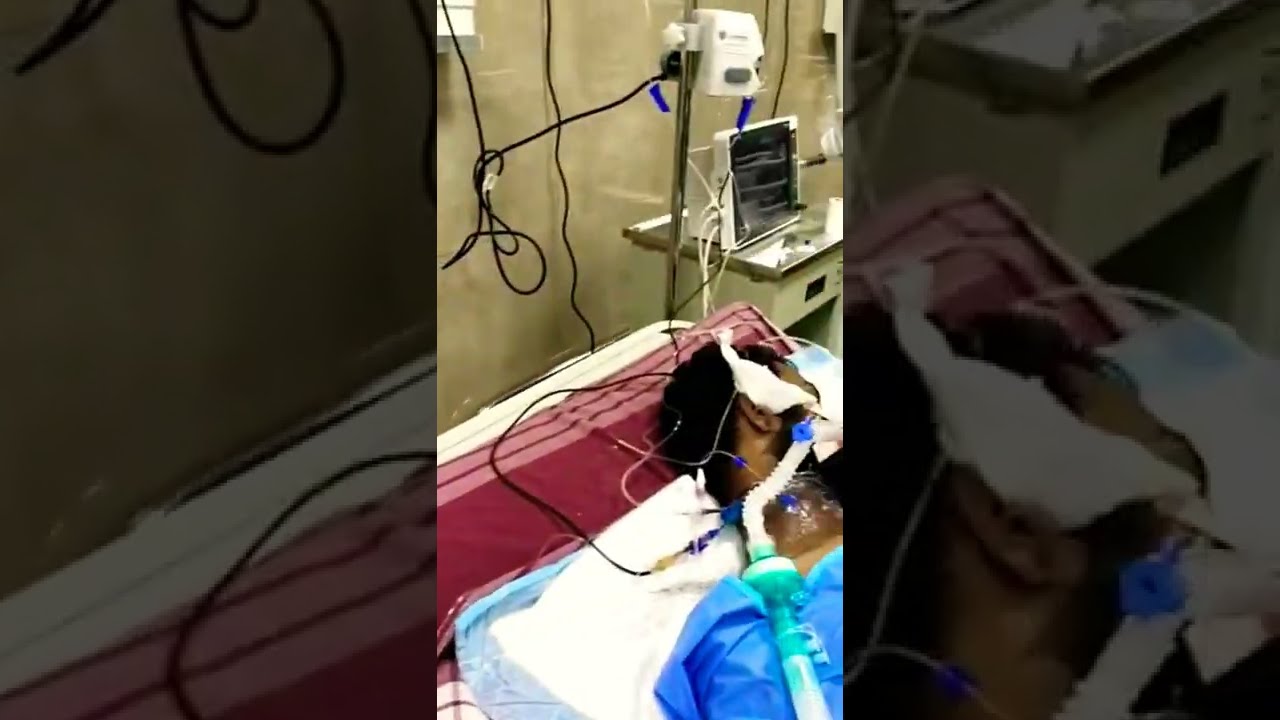
Assess important indicators like heart rate and oxygen saturation.
Evaluate blood gas results to understand metabolic status.
Ventilator Training Programs Offered Today
Basic Ventilator Program Overview
The standard ventilator program works as an intro for those new to mechanical ventilation. It generally covers fundamental concepts such as:
- How a ventilator functions Basic settings adjustments Initial troubleshooting tips
Advanced Ventilator Training Courses
ndis focused ventilation trainingFor experienced specialists looking for sophisticated skills, specialized programs supply much deeper understandings into intricate locations like:
- Advanced settings of ventilation Managing high-frequency oscillatory ventilation
Ventilator Training for Nurses: Crucial Skills Required
Nurses play an essential role in handling clients on mechanical ventilation. Their training should focus on:
Understanding different sorts of ventilators.
Performing routine checks on equipment functionality.
Recognizing difficulties early.
Tracheostomy and Ventilator Educating Components
Tracheostomy care calls for additional abilities one-of-a-kind from conventional ventilator monitoring, including:
- Suctioning techniques Careful surveillance for indicators of infection
Airway Management and Its Crucial Duty in Air Flow Training
Importance of Air passage Management Skills
Airway administration develops the structure whereupon reliable ventilation counts. Specialists have to comprehend how to safeguard a respiratory tract efficiently using numerous methods including intubation or bag-mask ventilation.
Techniques Made use of in Airway Management
Various methods are employed throughout respiratory tract management:

- Direct laryngoscopy Video laryngoscopy Use of supraglottic devices
Addressing Difficulties Associated with Mechanical Ventilation
Common Issues Related to Mechanical Ventilation
Complications might arise during mechanical air flow; these include however are not restricted to:
Barotrauma Pneumothorax Ventilator-associated pneumonia (VAP)Understanding these issues assists healthcare providers minimize risks effectively.
Preventative Actions Against Complications
Strategies consist of normal assessments and adhering carefully to infection control protocols.
NIDS Ventilation Course Insights: Specialized Education And Learning Options
The NDIS (National Special Needs Insurance policy Plan) offers targeted training programs focusing on certain requirements associated with life-long disabilities calling for mechanical ventilation support.
Course Structure and Web content Focused on NDIS Needs
Courses typically highlight useful skills such as:
Patient analysis strategies. Risk analysis while making use of home-based ventilators. Family education methods concerning long-term treatment requirements.Frequently Asked Concerns regarding Ventilation Training
1. What credentials do I require for a standard ventilator course?
To enlist in a basic ventilator training course, individuals commonly need fundamental knowledge in nursing or allied health and wellness sciences, together with some scientific experience in acute treatment settings.
2. For how long does it take to complete sophisticated ventilator training?
Advanced training programs normally last anywhere from someday approximately several weeks depending upon the depth of product covered and sensible components required.
3. Exist online choices readily available for ventilation training courses?
Yes! Numerous institutions now offer on the internet training courses covering both fundamental and advanced subjects customized in the direction of flexible learning routines appropriate for busy health care professionals.
4. Just how frequently ought to one restore their knowledge through refresher course courses?
It's a good idea that doctor participate in correspondence course every 2-- 3 years or whenever new standards regarding mechanical ventilation are released by controling health bodies.
5. Can I use what I find out quickly after finishing a course?
Absolutely! Most courses integrate hands-on sessions permitting participants prompt application possibilities under expert guidance before they begin independent practice circumstances afterward.
6. Exists specific training required before taking care of clients that call for tracheostomy care?
Yes! Specialized tracheostomy-related training focuses mostly on proper treatment treatments guaranteeing optimum safety while lessening prospective difficulties arising post-surgery or extended usage thereof.
Conclusion
In verdict, "Ventilation Training: Bridging the Gap Between Concept and Technique" highlights not simply the need yet likewise the seriousness behind extensive education and learning relating to mechanical air flow management among medical care employees today! Constant developments within clinical innovation necessitate continuous professional growth focused on preserving proficiency degrees among all practitioners entailed directly or indirectly with breathing support group utilized throughout varied medical environments worldwide-- ultimately leading in the direction of boosted individual results across populaces served!
By investing time right into recognizing both academic structures along with functional applications surrounding this vital element integral within modern medicine; we cultivate a setting furnished not just practically however psychologically ready too-- guaranteeing every breath offered counts in the direction of making a distinction within our communities' lives daily!